

How to Safely Maintain an Outdoor Chiminea
Outdoor chimineas can add warmth and ambiance to your backyard or patio. They are also a better choice for smaller spaces than traditional fireplaces.
Chimineas should be set on a fireproof surface such as a concrete, brick or stone patio. Chimineas shouldn't be positioned near eaves or any other overhead cover that could catch fire.
Types
A chiminea, sometimes referred to as an outdoor firepit is a kind of firepit that has a chimney with a tall the hood that lets smoke flow upwards instead of out. Chimineas are made from clay or metal and are available in a wide range of styles to suit almost any style of garden. Some chimineas can also be used to cook on the stove. This lets you make delicious meals or enjoy outdoor snacks with your loved ones and family.
Many types of wood can be used in a Chiminea. Oak is popular because it produces heat and burns slowly. However other hardwoods can be utilized. Apple is another option since it burns slowly and releases a pleasant scent and is very versatile. Other options include cedar wood, mesquite, hickory, and pinon. They are aromatic and create pleasant smoke.
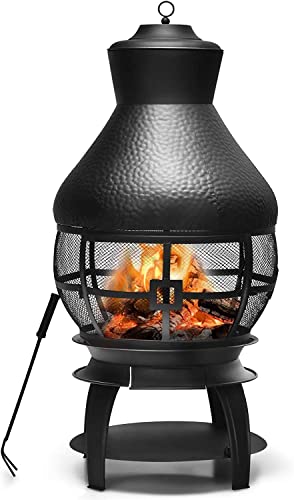
Metal chimineas may offer more variety in design than traditional terracotta models and are less prone to damage from rain. However, they can be susceptible to rust and are generally heavier than clay models. Some chimineas made of metal are coated with an anti-rust paint, which can help keep them from weathering. Cast iron chimineas have a rustic appearance, but are the heaviest option.
It is essential to prepare your chiminea prior lighting an fire. This means laying an area of sand or gravel at the bottom. This will prevent the ash from leaking out and causing damage to the base. Then, add a few pieces of paper and some kindling. When the paper begins to burn it creates an air draft that ignites the rest of your kindling and starts the fire.
It is recommended to keep a chiminea out of reach from buildings and plants. It is important to leave plenty of space around the chiminea to avoid it falls or gets too hot. Covering the chimney with metal mesh will keep sparks and Ash from flying into flammable material.
Materials
Your chiminea, regardless of whether it's made from clay or cast iron should be constructed from durable materials that can withstand the heat. It is also important to ensure that your chiminea has been specifically designed for your space and is easily moved and stored. It is crucial to know the amount of smoke your fireplace emits, as too much can cause trouble for neighbours.
The type of wood you choose to use will determine the amount of heat and duration of your chiminea. Hardwoods like apple, cherry and walnut are favored by serious chimenea owners, over softwoods. Hardwoods generate more heat and burn more efficiently than softwoods.
You can find a variety of contemporary and contemporary cast-aluminum chimineas that have elegant lines and geometric shapes. These models are also lighter in weight and can be used for wood-burning and gas-burning fires making them a great choice for all kinds of outdoor areas.
Both chimineas made of cast iron and clay must be maintained including cleaning them and reseasoning them on intervals. Always place them on a fire-safe, solid base such as terracotta tile or concrete, or even leveled sand. It is also crucial to keep water away from your chiminea since it could damage the metal and cause cracks in clay or terracotta.
The first step to season the chiminea is to ignite several small fires, then let them cool and then start another. This will increase the heat resistance of your chiminea and give it longevity and greater resistance to heat. If you skip this step, your chiminea could crack or break in its first time of use. Ceramic chimineas 's recommended to cover your chiminea during the winter months or when it will not be in regular use because it protects it from the elements of snow and rain that can damage it. If you are concerned about the security of your chiminea think about getting a model that has a spark arrestor that will safeguard against dangerous sparks.
Design
Chimineas are attractive and versatile outdoor fire feature. It is crucial to remember that, like any other wood-burning fireplace it must be maintained properly to avoid damage and ensure the safety of people who are enjoying the flames. Using protective covers and proper cleaning techniques can make a big difference in the lifespan of your chiminea decorated.
Chimineas are available in a variety of sizes in shapes, materials and shapes to suit a range functional and aesthetic needs. Terracotta clay is an old-fashioned material that has an elegant Mexican style. Metal chimineas offer a sleeker, more contemporary appearance and are more resistant to damage.
It is also crucial to think about the location of your chiminea. The chiminea must be placed in an open space to encourage airflow. This will improve effectiveness and create a cozy ambience around the fire. Additionally, placing it away from patio covers and overhangs will prevent the accumulation of smoke, which can harm the structures.
Consider installing a mesh screening over the chimney of your chiminea to lessen the amount of sparks scattered into the air. A simple solution is to simply use a piece of chicken wire or a small-holed fencing that is bent slightly to create a barrier. Alternatively, you can buy a specific screen made of ceramic tile, which is designed to catch sparks and then drop them into the stack.
It is tempting to use lighter fluid or gasoline as an accelerant to ignite the chiminea's fire. However, these chemicals can damage your chiminea when they add too much heat to it too quickly. This could cause the walls of your chiminea to crack or break up. At the worst, this could result in injury and at best the chiminea to be destroyed. In addition, accelerants could also cause your chiminea to explode, which is incredibly dangerous for anyone in the vicinity.
You can season your chiminea with three or four small fires. This will give the chiminea time to heal and reduce the risk of an explosion. Additionally, it is best to use only dry, well-seasoned hardwood for your chiminea's burning.
Safety
Chimineas let you enjoy a fire in the outdoors with your loved ones and family. However, like any outdoor flame they can pose a danger to property and people. You can ensure that you and your family members enjoy the warmth of your chiminea in the absence of a fire or accident by following a few simple precautions.
To ensure your chiminea's safety it is recommended to first set it on a non-flammable surface such as pavers, bricks, or cement. This will prevent the chiminea from being thrown over and decrease the risk of it sparking any object in the vicinity.
It is also important to use only dry, seasoned firewood for your chiminea. Wet wood doesn't burn as well and could cause the chiminea to smoke or catch fire. A spark arrestor for fireplaces is also a must-have. It could be as simple as a piece of chicken wire that is bent around the top of the stack or as elaborate as a special chimney insert with a screen. A spark arrestor prevents sparks from exploding into the neighbor's yard or onto flammable materials like bushes and grass.
Lastly, be sure to keep your chiminea at least 30 feet from anything that could ignite, such as buildings, trees, sheds, clothes lines and awnings. This will allow you to avoid a fire accident which could cause damage or even destruction to your home.
Once your chiminea is in place and you have taken all of the precautions mentioned above, it's time to enjoy the glowing flames and warm heat! Make sure to start small fires using burning wood to get the flame moving, and then gradually adding more wood to the blaze. Keep a couple of fireplace tools on hand to add logs and light the flame so that you don't have to touch it with your fingers. Wearing long barbecue tongs and gloves for fire is also a good idea when handling hot coals and the grate. This will let you use the chiminea with care and without burning your fingers.